See the reaction. Hear the reason.
Real people. Real reasons. In days. Clap runs AI-moderated video interviews and multi-question studies, then turns every answer into themes, clips and a recommendation your team can act on.
In 30 minutes we’ll design the study with you, show you a real report and price it for your team.
Real people, never AI respondentsYour customers or oursConsent on every clip
 Travel containers · AI-moderatedReal Clap study


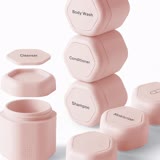 Pink
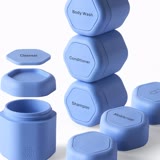 BlueTara
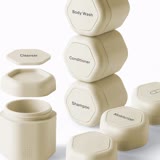 Cream
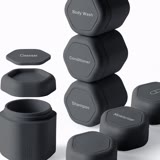 BlackCraig
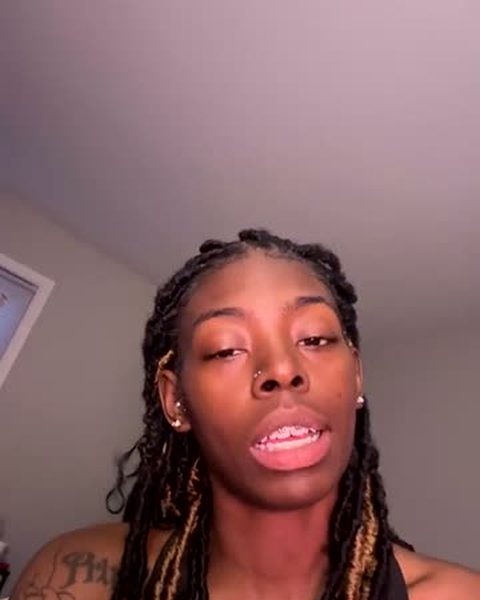
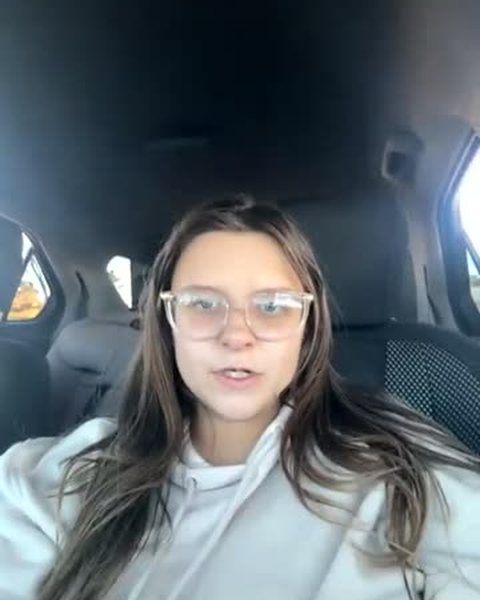
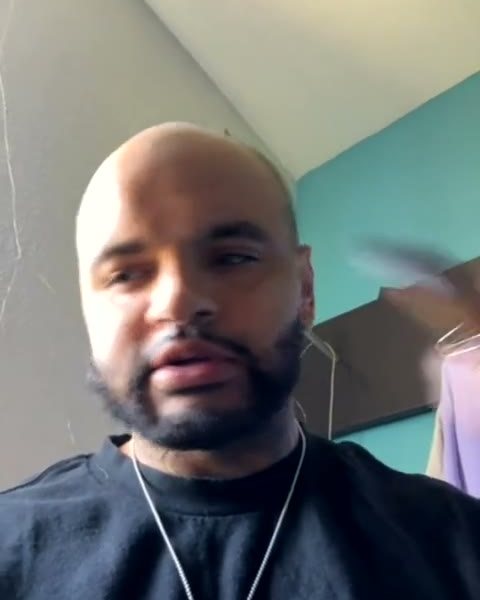
CraigTwice a monthCraig“I have to pick option D… I just really enjoy the black one.”Craig“It goes with a lot of things that I have, luggage-wise. It fits better with what I like.”TaraEvery 3 monthsTara“I will choose that blue, because it’s a pretty color.”Tara“I like light blue… Pink may be good for a little girl, but I’m just not really into pink.”Brands that have worked with Clap

 showplace
A checkbox tells you what. A face tells you why.
More words when people say it out loud
Rated an AI-moderated interview 8/10 or higher
- 23,000+ people who answer on camera
- 678,000+ answers collected
- 33,000+ video answers transcribed
- All 50 states, 2,600+ cities
One flow, from question to decision.
Design, recruit, run and analyze in one place, with our research team on every study.
Design a study in minutes with AI.
Say what you need to learn. Clap drafts the guide and the questions; you edit anything.
- Video, open-ended, task, ranking and price questions
- Templates for every use case
Talk to the right people.
Invite your own customers by link, list, in-app prompt or QR code, or reach Clap’s community of 23,000+ people in all 50 states.
- Screeners by age, region and behavior
- Incentives handled for you
Interviews that run overnight.
Every participant gets an AI-moderated video interview with follow-ups based on what they just said. Dozens run in parallel, any time of day.
- Video, voice and text in one study
- Every answer checked for face, audio and topic
Turn interviews into decisions.
Not a three-line summary: a full report you’d forward to your boss. Every theme with the people and clips behind it, a map of who said what, their own words, next steps, and every video and transcript in one download.
- Themes, clips, map and recommendation in one report
- All videos, transcripts and coded data in one download
- Share link, slide deck and highlight reel
Request a demo Bring a question. We’ll design the study with you.
See what you’ll learn from your first study.
Five places teams start. Yours doesn’t have to be on the list.
Ask the people who almost bought. Hear what stopped them, in their own words.
↑ Conversion · ↓ Cart abandonment · ↓ ReturnsGave Up Online: why shoppers quit before buying
Video answers · general U.S. consumers · Nov 2026
Executive summary
- Trust is where the purchase stopped
29% didn’t trust the site, the deal or the reviews.
- The product didn’t match the picture
18% got something that wasn’t what the photo showed, or the wrong item.
- Price ended the rest
Another 18% quit on price.
Highlight reel · real answers
Results deep dive
Tell us about the last time you gave up buying something online. What made you quit?
Make the offer feel safer before simplifying checkout: clearer specs and sizing, real photos and verified reviews. Then rerun the question with 50 people.
Also used for pricing-page drop-off, trial-to-paid, lost deals and win/loss interviews.
Ask right after they use a feature, while they still remember where they stalled.
↑ Activation · ↑ Retention · ↓ ChurnDeleted That App: why people uninstall
Video answers · general U.S. consumers · Nov 2026
Executive summary
- Trust is the loudest reason
42% said the app promised money or results it didn’t deliver, or felt shady.
- Ads push people out
21% left over too many ads or spam.
- Boredom ends the rest
Another 21% said it stopped being useful or fun.
Highlight reel · real answers
Results deep dive
Think of an app you deleted in the last few months. What made you delete it?
Audit what the app promises before install (rewards, claims, data handling, ad load), make the limits explicit, and retest the new promise with 50 more people.
Also used for cancellation reasons, onboarding drop-off, feature feedback and beta tests.
Play the ad. Hear the words they use instead of yours.
↑ Hook rate · ↑ CTR · ↓ CACOatmeal ad test
October 2026 · pick one + say why on camera
Executive summary
- The ad that shows the food wins
42% picked D, the Clap-made concept. About half of them said it looks creamy or shows the real food.
- Protein facts sell the runner-up
46% of the people who picked “Protein Oats” said the clear protein and nutrition facts sold it.
- Protein is the reason across the board
28% gave protein as their main reason, whichever ad they picked.
Highlight reel · real answers
Results deep dive
Which of these oatmeal ads makes you most want to try it, and why?
Lead with the food and put the protein facts on it. Test that version against the current winner with 50 new people.
Independent Clap study of three public Magic Spoon ads and one Clap-made concept, not commissioned or endorsed by Magic Spoon.
Also used for packaging, names, landing pages, pricing and agency pitches, with real people who already picked a route.
A happy customer on camera, cleared for your Apollo sequence, case study and homepage.
↑ Reply rate · ↑ Meetings booked · ↑ Win rateNorthwind Freight: customer story library
85 customers invited · 34 video stories · 2 questions
Executive summary
- Time saved is the story customers tell
21 of 34 led with hours saved each week, in their own numbers.
- Switching stories land hardest
Customers who came from spreadsheets told the most specific before-and-after stories.
- 12 clips are ready for outbound
Cleared for sales sequences, case studies and the homepage.
What customers talk about
- Hours saved each week21
“We used to lose every Friday to reconciling loads. Now it’s twenty minutes.”
- Fewer missed pickups13
- Support that actually answers9
Open your Apollo sequence with three time-saved clips and put the strongest switching story on the homepage. Refresh the library every quarter.
Also used for social content, case studies, recruiting and investor updates.
A QR code at the booth, venue or counter. A story you can play back in the readout.
↑ Leads captured · ↑ Sponsor renewals · ↑ Repeat visitsHarbor Hotels: rooftop bar weekend
QR code at the bar · 212 guests · 1 video question + 1 rating
Executive summary
- The view brings them, the wait costs them
Most guests named the view as the best part. Slow service came up in 4 of 10 answers.
- Sunset is the reason to come back
Guests mentioned sunset more than any drink or dish.
- Stories the kiosk never caught
23 guests gave answers worth reposting, with consent to use them.
What made the night
Results deep dive
What would bring you back?
- Sunset table reservations38
“Let me book a table for sunset and I’m here every Friday.”
- Faster service at peak31
- An earlier happy hour19
Open sunset reservations and add a second bartender from 6 to 9. Keep the QR code up and compare next month.
Also used for in-store and café feedback, facility feedback, post-purchase suggestions and employee pulse checks.
The clip behind every theme, so the readout doesn’t end at “trust me.”
Questions teams ask us.
How is an AI-moderated video interview different from a survey?
A survey collects structured answers. A Clap interview asks each person a question on camera, listens and asks a follow-up based on what they said. You get the why, in their own words, with themes and clips surfaced for you.
Both parts matter. Spoken answers run more than 3× as many words as typed ones and cover about 28% more distinct themes (Survey Practice, 2026). And in a pre-registered Columbia and Wharton study, interviews with AI follow-up questions surfaced 238 customer needs vs 188 from the same questions without them, at the same cost per interview.
Is an AI moderator as good as a human one?
For finding what customers need, the evidence says yes. In the same Columbia and Wharton study, AI interviewers found about as many customer needs as professional human moderators across the same number of interviews (112 vs 109), at about a fifth of the cost per interview. Human moderators still drew out more emotion, which is why our research team reviews every study.
Who are the participants, and how do you check quality?
Your own customers, invited by link, list, in-app prompt or QR code, or Clap’s community of 23,000+ people across the U.S. Every answer comes from a unique, real person: no bots, no AI respondents. That matters: when Pew had AI stand in for real survey takers, results were off by 12.4 points on average (Pew Research, 2026). Every answer is also checked for a clear face, clear audio and an on-topic response; answers that fail don’t count toward your study.
What kinds of studies can we run, and how long do they take?
- AI-moderated video interviews. 5–15 minutes per person, with follow-ups that adapt to every answer. 20–60 people, 3–5 days.
- Multi-question studies. Video, open-ended, rating, ranking and price questions, with logic and screeners. 100–500 people, 3–7 days.
- Concept and creative tests. Ads, packs, names and pages, chosen, ranked and explained on camera. 50–200 people, 2–4 days.
- Customer stories. Video testimonials and stories, shortlisted and cleared for use. 50–300 people, 5–10 days.
- Ongoing programs. Monthly or quarterly pulses and tracking with the same audience, under your brand.
Answers and themes are visible as they arrive.
Can we use the videos, and can studies be confidential?
Yes to both. Participants agree that your team can use their answers. Tell us where clips will go, such as a sales sequence, a deck or an ad, and we confirm the scope in writing. Unreleased work runs under NDA, with the audience and handling plan agreed before launch.
How is this different from Reactions?
Reactions is a self-serve gut check: one question, a pick and a reason, in 24–72 hours. In-depth studies add interviews, multiple questions, your own customers and our research team. Try Reactions →


See your first study before you commit.
In 30 minutes we’ll design the study with you, show you a real report and price it for your team.